How Much Does Fire Damage Restoration Cost? A Complete Breakdown
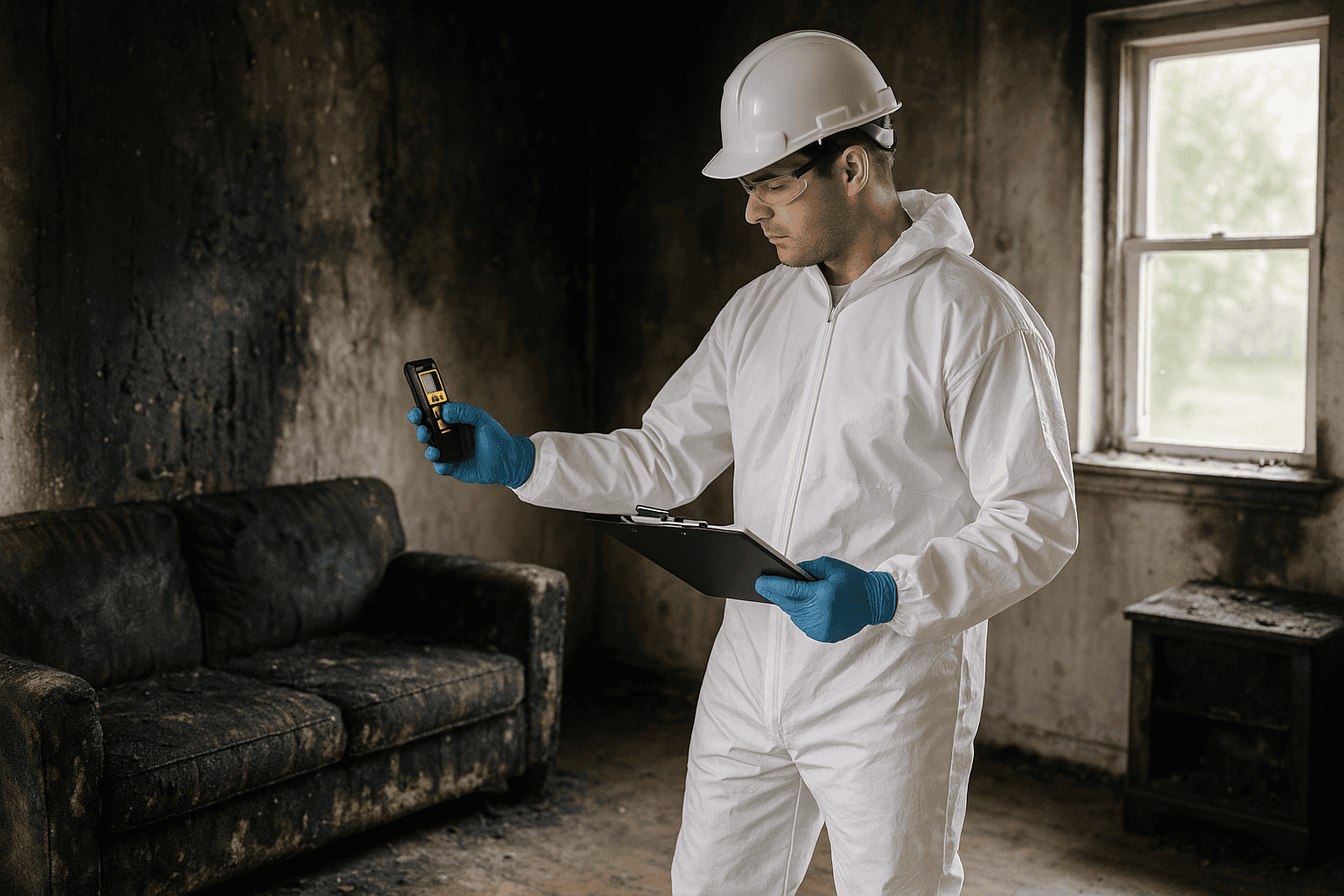
Fire damage is always unexpected. The questions that follow never change: “How much will this cost? What comes next?” And waiting for answers can feel like watching smoke rise after the flames are out — slow, uncertain, and frustrating.
At RHA Fire, we’re here to shine a bright light on the entire process. Whether you’re a homeowner or a business owner, knowing what drives emergency fire_damage costs helps you plan, ask the right questions, and move forward with confidence.
Typical Cost Ranges 🏚️
If you’re looking for a simple answer, here it is: fire damage restoration costs can range anywhere from $3,000 for minor incidents in a small space to well over $100,000 for extensive commercial losses. Most residential jobs fall between $10,000 and $50,000. But those numbers are like the tip of an iceberg — there’s a lot underneath the surface.
What shapes these numbers?
- Severity of the fire: Did it char a single room, or did flames and smoke travel throughout the building?
- Size of the property: Larger homes and commercial spaces mean more area to clean, repair, and restore.
- Specialty services needed: Water extraction, Temporary Power near you, structural stabilization, and advanced cleaning can all add to the total.
- Location and urgency: Emergency fire_damage calls during off-hours or in remote areas may require extra resources.
Remember, each fire is unique. The only “average” is that every situation is anything but.
Key Factors That Impact Fire Restoration Pricing
Fire restoration isn’t paint and drywall — it’s a jigsaw puzzle of safety, science, and speed. Here’s what goes into the total bill:
Severity and Type of Damage
- Direct fire damage: The areas burned or melted will require demolition, debris removal, and reconstruction.
- Smoke and soot: Even if flames never touched a room, smoke can travel everywhere, coating surfaces and seeping into insulation.
- Water damage: Water used to fight the fire leads to saturated carpets, warped floors, and the risk of mold. Water extraction and dehumidification are vital.
- Corrosion and odor: Soot is acidic; it can corrode electronics and metal fixtures if left untreated. Specialized cleaning and odor removal are critical.
Size and Complexity
Square footage matters, but so does layout. Open commercial spaces may be easier to access but harder to fully ventilate. Multi-level homes often require more hands-on labor, especially to reach hidden damage.
Services Required
- Temporary Power: Essential if the electrical system is compromised.
- Emergency Board-up & Fencing: To secure the property and prevent further loss.
- Damage Assessment & Remote Monitoring: Ongoing checks for safety and progress.
- Content Cleaning & Pack-Out Services: Removing, cleaning, and storing valuables.
- Technical Reconditioning: Electronics, documents, and machinery may need specialized care.
Materials and Labor
Some restoration materials are more costly — think hardwoods, specialty finishes, or commercial-grade HVAC. Labor intensity rises with complexity, especially when hazardous materials or environmental services are involved.
Time and Accessibility
Quick response can save thousands by preventing secondary damage (like mold). If crews need to work around the clock, or if the site is hard to access, costs can rise.
Compliance and Credentials
Professionals must follow local building codes, OSHA safety standards, and EPA guidelines for hazardous materials. Credentialed technicians and proper documentation aren’t just paperwork — they’re your guarantee of a safe return.
Understanding Insurance Coverage 📝
Insurance can feel like a maze after a fire. Here’s what you need to know:
What Insurance Typically Covers
- Structural repairs: Walls, floors, roofs, and permanent fixtures.
- Content cleaning: Clothing, furniture, electronics, and personal belongings.
- Water extraction and drying: To prevent mold and further damage.
- Temporary Power and housing: Sometimes included if your home or business is uninhabitable.
- Smoke and odor removal: Essential for healthy living and working conditions.
What Might Not Be Covered
- Pre-existing issues: Insurance pays for fire-related loss, not deferred maintenance.
- Code upgrades: Some policies may not cover upgrades needed to meet newer building codes.
- Certain valuables: High-value items (like artwork or collectibles) may need special coverage.
The Claims Process
- Notify your insurer immediately.
- Document everything: Photos, receipts, and a detailed inventory.
- Meet with adjusters: Walk them through the damage, ask questions, and get clear on required documentation.
- Work with your restoration provider: RHA Fire coordinates with your insurance to streamline approvals and keep the process moving.
Reference: The Insurance Information Institute provides detailed guides to the claims process and coverage specifics.
Commercial vs. Residential Costs
The same fire can look very different in a home versus a business. Here’s how:
Residential
- Smaller scale, more personal contents.
- Faster decision-making — you’re often the only stakeholder.
- Focus on living spaces, keepsakes, and comfort.
Commercial
- Larger square footage, more complex systems (HVAC, IT, machinery).
- Multiple stakeholders — owners, tenants, employees.
- High-value equipment, documents, and business interruption concerns.
- Remote Monitoring, Temporary Power near you, and Technical Reconditioning often play a bigger role.
Costs can be 2–3 times higher for commercial properties, especially when downtime is a major factor.
What’s Included in a Restoration Quote? 🧾
A clear quote isn’t just a number — it’s a map for your recovery. Here’s what you should expect to see:
- Damage Assessment: A thorough inspection and itemized report.
- Debris Removal: Safe clearing of charred material and hazardous waste.
- Water Extraction and Dehumidification: Removing water and moisture quickly.
- Smoke and Soot Removal: Cleaning surfaces, air ducts, and soft goods.
- Odor Removal: Using advanced filtration and neutralizers.
- Structural Stabilization: Shoring up compromised walls, floors, or ceilings.
- Temporary Power and Board-Up: For safety and security.
- Content Cleaning and Pack-Out: Inventory, cleaning, and secure storage.
- Reconstruction: Repairs, painting, and finishing touches.
- Remote Monitoring: Ongoing checks to ensure drying and stabilization.
Transparency matters. At RHA Fire, our quotes break down every major service, material, and labor cost — so you always know what you’re paying for.
How to Budget for Fire Damage Restoration
- Ask for a detailed, written estimate.
- Request an itemized breakdown — not just a lump sum.
- Clarify what’s covered by insurance and what’s out-of-pocket.
- Ask about payment options, especially if your claim takes time.
- Inquire about credentialed technicians and compliance with codes.
- Don’t be afraid to ask questions — if you don’t understand a line item, get clarification.
Why Choose a Nationwide Provider?
- Consistent standards: Credentialed teams, up-to-date equipment, and proven protocols.
- 24/7 availability: Emergency fire_damage doesn’t wait for business hours.
- Scalable resources: From a single home to a multi-site business, we have the capacity to respond.
- Local knowledge: Even though we’re nationwide, we tailor our approach to your area’s codes, weather, and specific needs.
Practical Tips for Navigating Restoration
- Keep all receipts and records. This includes temporary lodging, meals, and out-of-pocket expenses.
- Photograph the damage before cleanup. Insurance adjusters rely on visual records.
- Stay in regular contact with your insurer and restoration provider.
- Review local fire safety and building codes. Your local fire marshal or building department can provide guidance.
Frequently Asked Questions
How fast should I start the restoration process?
Immediately. The longer debris, water, and soot sit, the more damage (and cost) you’ll face.
Can I stay in my property during restoration?
Sometimes, but often it’s safer to relocate, especially if utilities are disrupted or air quality is poor.
Will insurance pay for everything?
Not always. Policy details vary — review your coverage and ask your provider about specific exclusions.
What’s the difference between cleaning and technical reconditioning?
Cleaning removes visible debris and soot. Technical reconditioning restores electronics, documents, or unique valuables to working condition.
The Value of Credentialed Technicians
Fire restoration is a blend of science and skill. RHA Fire’s technicians adhere to IICRC (Institute of Inspection Cleaning and Restoration Certification) standards, use PPE, and follow EPA and OSHA guidelines for environmental safety. You get peace of mind, knowing your property is in qualified hands.
Take the First Step Toward Recovery
Fire damage is overwhelming. Sorting out the costs shouldn’t be. If you need emergency fire_damage help — or just want a clear, honest quote for Temporary Power near you or any restoration service — we’re here, ready to answer your call.
Call RHA Fire now — or reach us anytime at 888-868-8083 .