Essential Fire Damage Prevention Tips for Homeowners and Small Businesses
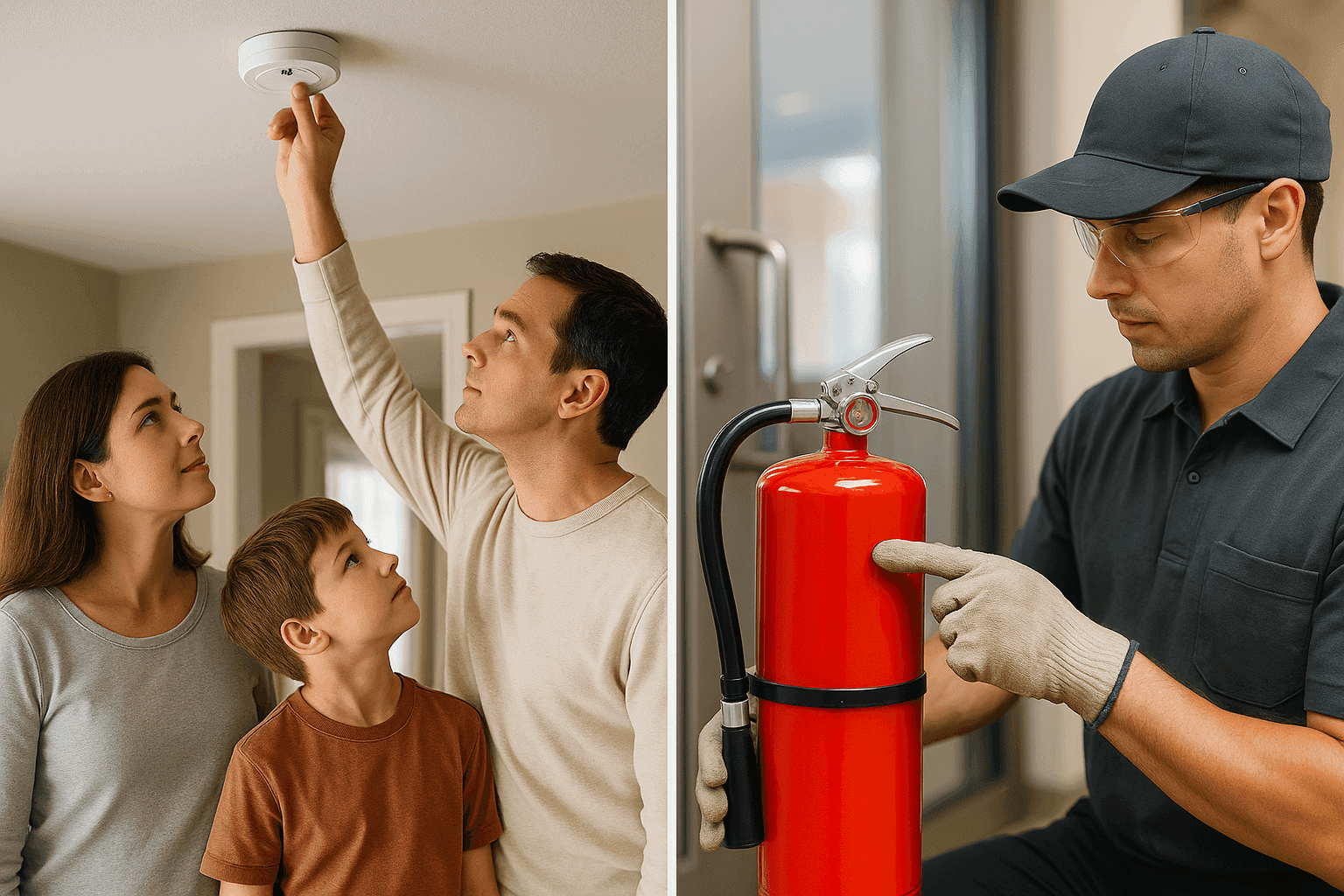
Fire doesn’t knock before it enters. In a matter of seconds, it can change everything—memories, livelihoods, security. For homeowners and small business owners, fire safety isn’t just a checklist. It’s peace of mind.
At RHA Fire, we’ve seen firsthand how quickly emergencies unfold. That’s why we believe prevention is the best defense. Let’s break down what you can do right now to guard your property and loved ones from fire damage.
Common Causes of Fire in Homes and Small Businesses 🔥
Understanding how fires start is the first step toward stopping them. Fires don’t only happen in movies or far-off places—they can ignite in the everyday corners of your life.
Top causes include:
- Electrical hazards: Faulty wiring, overloaded outlets, and damaged cords spark more fires than you might think.
- Cooking accidents: Unattended stoves, grease build-up, and flammable items near burners are leading culprits.
- Heating equipment: Space heaters too close to curtains or furniture, or malfunctioning furnaces, can ignite quickly.
- Smoking materials: Cigarettes, cigars, and ashes not properly extinguished are a common source.
- Candles and open flames: Left burning unattended, even small candles can become big problems.
- Flammable liquids: Improper storage or use of cleaning chemicals, paints, or fuels.
According to the National Fire Protection Association (NFPA), electrical and cooking-related fires are among the most frequent in homes and small businesses. Recognizing these risks is key to prevention.
Essential Fire Prevention Measures
Prevention is like a sturdy umbrella—it won’t stop the rain, but it keeps you from getting soaked. Here are practical steps you can take today:
Electrical Safety
- Inspect cords and plugs regularly for damage.
- Avoid overloading outlets or power strips.
- Hire a licensed electrician to check your wiring every few years.
- Keep appliances in good working order and unplug when not in use.
Cooking Safety
- Never leave cooking unattended.
- Keep flammable items (towels, packaging, curtains) away from the stove.
- Clean grease from stovetops, ovens, and range hoods regularly.
- Use timers to remind you when food is cooking.
Heating Equipment
- Place space heaters at least three feet from anything flammable.
- Have your furnace inspected and serviced annually.
- Turn off portable heaters when leaving the room or going to sleep.
Smoke Alarms and Detectors
- Install smoke alarms on every level and inside bedrooms.
- Test alarms monthly and replace batteries twice a year.
- Replace smoke alarms every 10 years, as recommended by the U.S. Fire Administration.
Fire Extinguishers
- Keep at least one fire extinguisher in the kitchen and another near heating equipment.
- Make sure everyone knows how to use them (remember PASS: Pull, Aim, Squeeze, Sweep).
- Inspect extinguishers annually for pressure and expiration.
Safe Storage
- Store flammable liquids in approved containers, away from heat sources.
- Keep combustibles like paper, rags, and cardboard away from appliances and outlets.
Routine Maintenance
- Clean dryer vents and filters regularly.
- Schedule annual chimney inspections if you use a fireplace or wood stove.
Seasonal Fire Risks
Each season brings its own fire hazards. Awareness can make all the difference.
Holiday Hazards
- Don’t overload electrical circuits with holiday lights.
- Use flame-retardant decorations.
- Never leave candles burning unattended during gatherings.
Winter Heating Safety
- Keep portable heaters away from bedding and drapes.
- Don’t use ovens or grills to heat indoor spaces.
- Check that fireplaces have proper screens and chimneys are clear.
Summer Wildfire Risks
- Remove dry leaves and debris from gutters and around your property.
- Store firewood away from buildings.
- Maintain defensible space by trimming trees and shrubs.
Emergency Preparedness: Planning for the Unexpected
Even with the best prevention, emergencies can happen. Preparation is your safety net.
Create a Fire Escape Plan
- Draw a simple map of your home or business showing exits and meeting spots.
- Practice escape routes twice a year with everyone in the building.
- Make sure windows and doors open easily.
Keep Emergency Numbers Handy
- Post emergency contacts near phones and in your mobile device.
- Include your local fire department and RHA Fire’s 24-hour emergency line.
Fire Extinguisher and Alarm Training
- Teach everyone how to use fire extinguishers and alarms.
- Hold regular safety drills.
Pack-Out and Content Protection
- Identify important documents and valuables that can be quickly gathered in an emergency.
- Consider fire-resistant safes for sensitive items.
Quick Safety Checklist
- [ ] Test smoke alarms and replace batteries.
- [ ] Inspect fire extinguishers for charge and accessibility.
- [ ] Check all cords and outlets for wear or overload.
- [ ] Remove clutter from heat sources and appliances.
- [ ] Review and practice your escape plan.
A few minutes today can prevent a lifetime of regret.
DIY vs. Call a Pro
Some fire safety tasks are perfect for a Saturday morning. Others need a professional’s touch.
DIY:
- Testing smoke alarms and fire extinguishers.
- Cleaning lint from dryer vents.
- Practicing fire drills.
Call a Pro:
- Electrical inspections or repairs.
- Heating system maintenance.
- Emergency board-up or structural stabilization after a fire.
RHA Fire’s team is trained for emergency fire_damage situations—ready to step in when things get serious.
What Pros Do On Arrival
When you call in the experts after a fire, here’s what happens:
- Damage Assessment: Pros evaluate the scene for safety and the extent of fire, smoke, and water damage.
- Emergency Board-Up: Securing windows, doors, and roofs to prevent further harm.
- Water Extraction & Dehumidification: Removing standing water and moisture to prevent mold.
- Structural Stabilization: Shoring up weakened walls, floors, or roofs.
- Smoke and Soot Removal: Using specialized equipment to clean and deodorize.
- Content Cleaning & Pack-Out: Salvaging and restoring personal or business items.
- Reconstruction: Repairing and rebuilding damaged areas.
All actions follow industry best practices and guidelines from organizations like the Institute of Inspection, Cleaning and Restoration Certification (IICRC).
Prevention & Maintenance
Fire prevention isn’t a one-time event—it’s a habit.
- Schedule annual professional inspections for electrical, heating, and fire safety systems.
- Replace aging appliances and wiring.
- Keep exits and escape routes clear at all times.
- Stay up-to-date on fire code requirements for your property type.
Regular attention is your shield against disaster.
Costs & Time Factors
Fire safety investments vary. Some steps are free—like testing alarms or practicing escape plans. Others, like professional inspections or upgraded fire systems, come with costs.
- Time: Most DIY checks take under an hour per month. Annual inspections may require a few hours.
- Cost: Fire extinguishers and smoke alarms are affordable. Professional services range depending on property size and needs.
Remember, the cost of prevention is always less than the cost of recovery.
When It’s an Emergency
If you see smoke, flames, or smell something burning:
- Evacuate immediately—don’t try to grab belongings.
- Call emergency services from a safe location.
- Contact RHA Fire for emergency fire_damage response.
Never re-enter a burning building. Safety comes first, always.
Frequently Asked Questions
How often should I replace smoke alarms?
Smoke alarms should be replaced every 10 years, even if they seem to work. Test them monthly and replace batteries twice a year.
What type of fire extinguisher do I need?
For most homes and small businesses, a multi-purpose (ABC) extinguisher is recommended. Check the label and ensure it’s easily accessible.
Can I clean up fire damage myself?
Minor soot or smoke residue can sometimes be wiped away, but significant fire damage requires professional cleaning and restoration to ensure safety and prevent further damage.
Do I need a fire escape plan for a small business?
Yes. Every property, regardless of size, should have a clear, practiced escape plan for all occupants.
Special Considerations for Homeowners and Small Businesses
Every property is unique. Older buildings may have hidden electrical risks. Businesses with inventory or equipment need special storage and evacuation plans. If you rent, coordinate with your landlord or property manager to ensure fire safety measures are in place.
For businesses, review insurance coverage to confirm it includes fire damage restoration and business interruption support. Homeowners should keep a current inventory of valuables for insurance claims.
Fire doesn’t wait for a convenient time. Prevention and preparation are your best allies.
Call RHA Fire now — or reach us anytime at 888-868-8083 .