How to Prevent Fire Damage: Essential Tips for Homes and Businesses
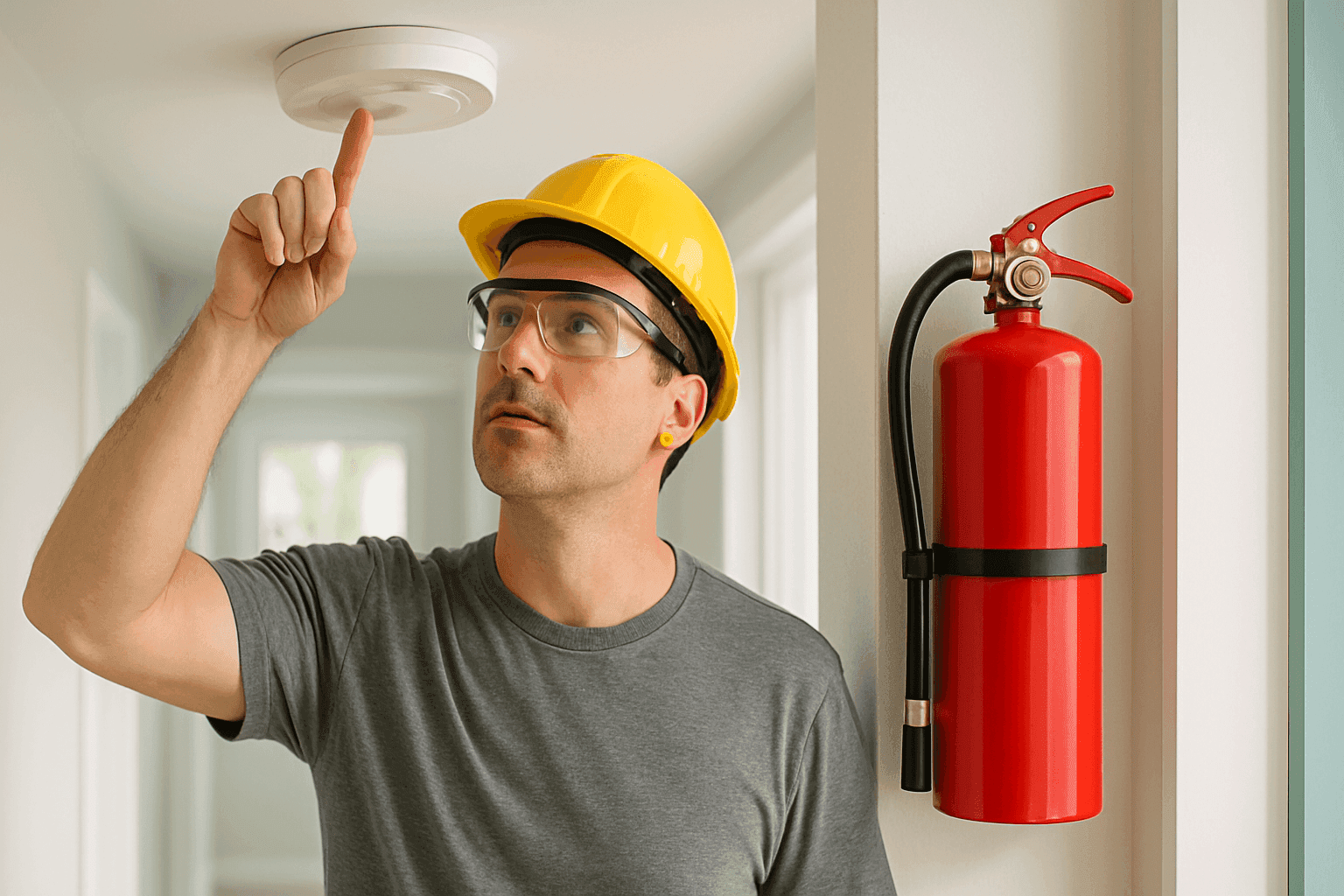
Fire can start in a heartbeat. A single spark, a forgotten cord, a candle left burning—suddenly, everything changes. Whether you own a home or run a business, fire doesn’t discriminate. The mess left behind is overwhelming, and the costs—emotional, physical, financial—can linger for years.
At RHA Fire, we see the aftermath every day. From emergency fire_damage response to Temporary Power near you, our team brings decades of hands-on expertise and the most advanced monitoring tools to every job. But the best emergency is the one that never happens. Let’s explore the real-world steps you can take now to stop fire before it starts.
Common Causes of Fire Damage 🔥
Before you can prevent fire, it helps to know what you’re up against. Fires often begin in ways you wouldn’t expect—quietly, invisibly, in the places you use most.
Residential Triggers
- Cooking fires: Unattended stoves, greasy pans, and toaster mishaps rank as the #1 cause (National Fire Protection Association).
- Electrical hazards: Old wiring, overloaded outlets, worn extension cords, and space heaters.
- Smoking: Cigarettes left smoldering on furniture or in bedrooms.
- Candles: Knocked over by pets or forgotten during power outages.
- Clothes dryers: Lint buildup in vents becomes a tinderbox.
Commercial Triggers
- Faulty machinery or equipment: Overheated motors and neglected maintenance.
- Improper storage: Flammable liquids and paper stacked near heat sources.
- Electrical faults: Overloaded circuits, unprotected wiring, or damaged outlets.
- Kitchen areas: Restaurants and cafeterias face unique risks.
- Arson or vandalism: Intentional fires, especially in vacant or poorly lit areas.
Fire doesn’t always announce itself. Sometimes, it’s a tiny ember in a wall. Other times, it’s a storm knocking down a power line. Knowing these causes is the first step in fireproofing your world.
Fireproofing Your Property: Room by Room
Think of your home or business as a series of small islands. Each room, each space, has its own risks—and its own defenses.
Kitchen
- Never leave cooking unattended, even for a minute.
- Keep stovetops and counters free from clutter.
- Store flammable items (like towels and paper) far from heat.
- Install a smoke alarm and check it monthly.
Living Areas
- Use surge protectors for electronics.
- Keep candles in sturdy holders, away from drapes and pets.
- Don’t overload outlets—think of each like a riverbank that can overflow.
Bedrooms
- Never smoke in bed.
- Charge phones and devices on hard surfaces, not under pillows or blankets.
- Install interconnected smoke alarms for early detection.
Laundry Room
- Clean lint traps after every dryer use.
- Inspect vents and ducts regularly for blockages.
- Avoid running dryers while away or overnight.
Garage and Storage
- Store gasoline, paint, and chemicals in approved containers, away from ignition sources.
- Keep the area tidy, with clear walkways and no clutter near electrical panels.
Outdoors
- Trim branches and clear leaves away from buildings.
- Maintain a defensible space if you live in wildfire-prone areas.
- Grill safely—keep BBQs at least 10 feet from structures.
Business-Specific Prevention Steps 🏢
Fire doesn’t just threaten buildings—it can cripple livelihoods. For business owners, proactive prevention is smart business.
Electrical Safety
- Schedule annual electrical inspections.
- Replace damaged cords and avoid daisy-chaining power strips.
- Label circuit breakers clearly for fast shutoff.
Safe Storage
- Separate combustibles by type and store them in safe, ventilated areas.
- Keep fire exits and routes clear at all times.
- Use fire-rated cabinets for chemicals and flammable materials.
Equipment & Machinery
- Maintain and service all equipment per manufacturer guides.
- Install automatic shut-offs for high-risk machinery.
- Train employees in emergency shutdown procedures.
Fire Alarm & Suppression
- Test alarms and sprinkler systems monthly.
- Replace backup batteries every 6–12 months.
- Hold annual fire drills—muscle memory saves lives.
Emergency Board-Up & Temporary Power
If you experience even a minor fire, call RHA Fire for emergency board-up and Temporary Power near you. Quick action keeps your property secure and business running, even in chaos.
Seasonal Fire Hazards and How to Prepare
Nature has its own calendar. Each season brings new fire risks—and new opportunities to stay ahead.
Winter & Storm Prep
- Inspect chimneys and heating systems before first use.
- Use space heaters with tip-over protection, never near curtains or bedding.
- Prepare for power outages—never run generators indoors.
- Watch for ice storms that can bring down power lines or block access for emergency crews.
Spring Cleaning
- Purge excessive storage—paper, cardboard, and old electronics.
- Check wiring for any damage from rodents or moisture.
- Clean gutters and clear debris from around the building.
Summer & Wildfire Season
- Maintain defensible space: clear brush, mow grass, and remove dead wood.
- Store firewood at least 30 feet from buildings.
- Use only approved fire pits, and follow local burn bans.
Fall & Holiday Decorating 🎄
- Use UL-listed lights and cords for decorations.
- Don’t overload circuits or string too many light sets together.
- Turn off all decorations before bed or leaving the property.
- Keep real trees watered, and never block exits with displays.
Routine Maintenance and Monitoring
Like oiling a squeaky hinge, fire prevention is all about routine care. Small steps, repeated often, make the biggest difference.
Home Maintenance
- Test smoke and carbon monoxide alarms monthly.
- Replace batteries twice a year—when clocks change is a good reminder.
- Review and practice your fire escape plan with everyone in the home.
Business Maintenance
- Schedule quarterly fire system inspections.
- Update emergency contacts and evacuation plans.
- Inspect fire extinguishers—replace or recharge as needed.
Advanced Monitoring
At RHA Fire, we use remote monitoring tools to alert property owners to risk in real time. These systems watch for smoke, heat, and even water leaks, giving you precious minutes to respond before minor incidents become disasters.
When to Schedule Professional Inspections
- After major renovations or new appliance installation.
- Annually, at minimum—more often for high-risk properties.
- After any close call, such as a small kitchen fire or electrical short.
Quick Safety Checklist
- Test all alarms monthly.
- Clean dryer lint traps and vents.
- Store flammables away from heat.
- Unplug unused appliances.
- Hold regular fire drills.
- Schedule annual professional inspections.
DIY vs. Call a Pro
Some steps are simple: changing batteries, cleaning lint, or unplugging cords. Others—like electrical repairs, advanced system checks, and structural assessments—are best left to professionals. If you’re ever in doubt, or if you notice scorch marks, odd smells, or flickering lights, don’t risk it. RHA Fire offers 24-hour service, Temporary Power near you, and rapid damage assessment.
What Pros Do On Arrival
When RHA Fire responds, we:
- Assess structural and environmental safety.
- Set up Temporary Power if needed to protect refrigeration, security, or medical equipment.
- Secure the site with emergency board-up and fencing.
- Begin water extraction and dehumidification to prevent mold.
- Use advanced remote monitoring for ongoing risk.
- Coordinate with insurance for restoration and reconstruction.
Our team knows the codes, the science, and the emotional toll—so we move fast and communicate clearly.
Costs & Time Factors
Fire prevention is much cheaper than fire recovery. Battery replacements? A few dollars. Annual inspections? Modest, especially compared to loss. But even the best plans can’t guarantee zero risk. When emergency fire_damage strikes, costs depend on:
- The size and type of property.
- The extent of fire, smoke, and water damage.
- Time to respond—faster is always better.
RHA Fire gets to work immediately, minimizing downtime and helping you reclaim your space.
When It’s an Emergency
Don’t wait if you notice:
- Alarms sounding or smoke visible.
- Burning smells with no clear source.
- Power outages after storms or surges.
- Water leaks near electrical systems.
Call 911 first, evacuate, and then reach out to RHA Fire for board-up, Temporary Power near you, and structural stabilization.
Frequently Asked Questions
How often should I test my smoke alarms?
Monthly is best. Replace batteries every six months, and alarms every 10 years (per U.S. Fire Administration).
What’s the safest way to store flammable liquids?
Use approved, clearly labeled containers. Keep them away from heat sources and out of living spaces.
Do wireless smoke detectors work as well as wired ones?
Yes, but interconnected systems—wired or wireless—offer the fastest alerts throughout a building.
When should I schedule a professional fire inspection?
Annually, or after any major renovation, appliance installation, or fire incident.
Local and Seasonal Considerations 🌦️
Every region has unique fire challenges. Coastal storms, desert heat waves, urban power surges, rural wildfire seasons—each calls for a tailored approach. Stay tuned to local fire code updates and seasonal advisories. RHA Fire’s team is always on alert, ready to deploy with the right tools, wherever you are.
Fire doesn’t wait. But with smart steps, a little routine, and some expert support, you can keep your home or business safer—year-round. If you’re ever in doubt, need a professional inspection, or face emergency fire_damage, RHA Fire is here 24/7 to help.
Call RHA Fire now — or reach us anytime at 888-868-8083 .