How to Safely Restore Your Property After Fire Damage: A Step-by-Step Guide
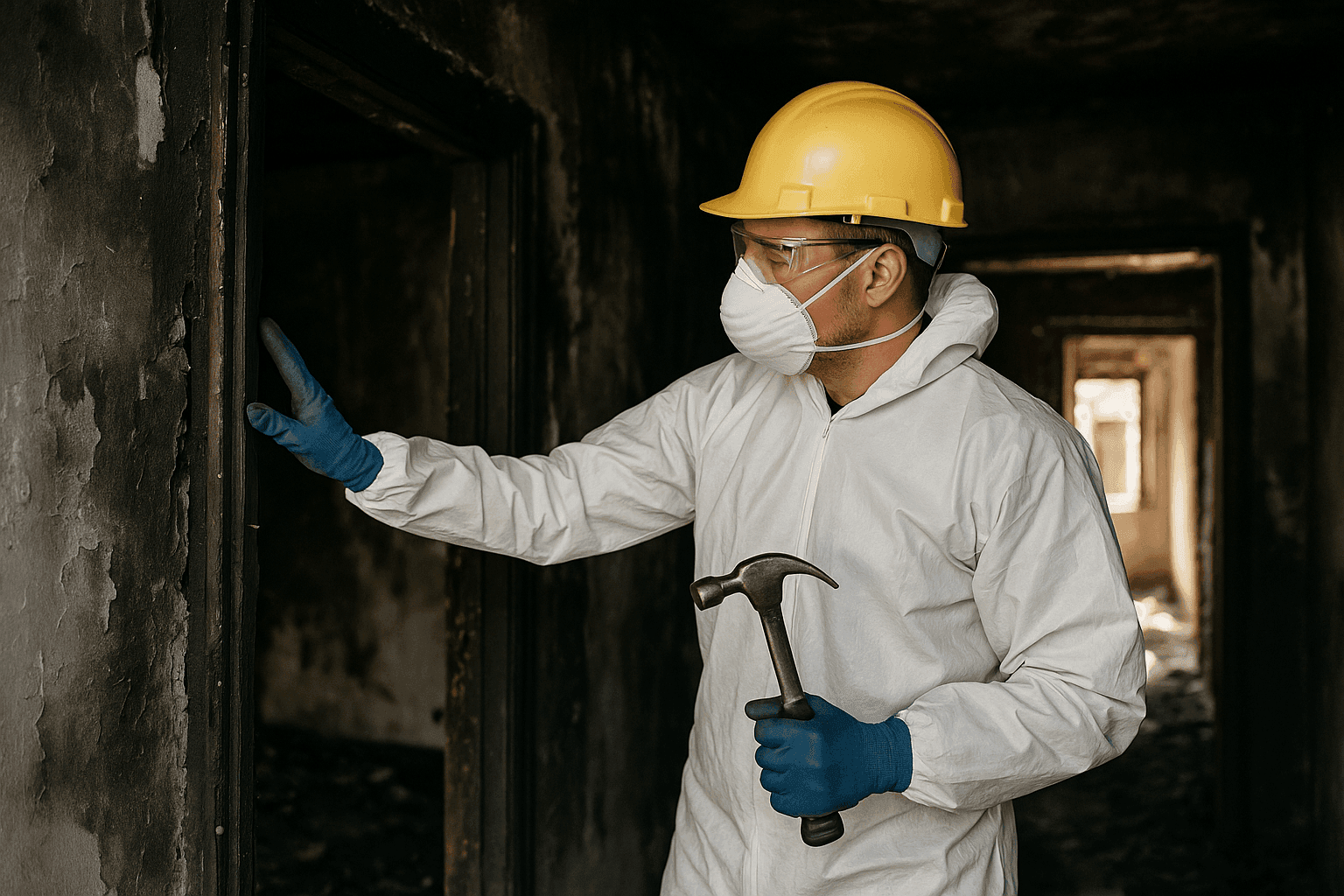
A fire can turn your world upside down in a matter of minutes. The shock, the smell, the sight of what’s left—it’s overwhelming. Whether you’re a homeowner or a small business owner, you want answers fast and a path forward that feels safe.
At RHA Fire, we understand how urgent and emotional this moment can be. Our experienced team is available 24/7, ready to help you take back control and start the restoration journey with confidence.
Immediate Actions After Fire Damage 🔥
The first few hours after a fire are critical. Think of it as the opening move in a high-stakes chess game—every step matters.
Safety First
- Wait for official clearance. Only enter your property after fire officials say it’s safe.
- Be cautious. Structural damage, electrical hazards, and hidden hot spots can make things unpredictable.
- Protect yourself. Wear sturdy shoes, gloves, and a mask to avoid inhaling soot or stepping on debris.
Emergency Board-Up
Boarding up windows, doors, and exposed areas keeps out weather, pests, and unwanted visitors. It’s like putting a sturdy lock on a wounded door, protecting what’s left inside. RHA Fire’s emergency board-up service acts fast to secure your property.
Water Extraction
Firefighting leaves behind more than charred walls—water soaks carpets, furniture, and floors. Standing water breeds mold in as little as 24–48 hours (per CDC guidelines). Quick water extraction is essential to prevent further damage.
- Remove excess water with pumps and vacuums.
- Set up industrial fans and dehumidifiers.
- Discard items too damaged to save.
Cleaning and Decontamination
Soot, smoke, and lingering odors don’t just look bad—they can be harmful to your health. Imagine them as invisible fingerprints, clinging to every surface and fiber.
Smoke and Soot Removal
- HEPA vacuums and specialized sponges pull soot from walls, ceilings, and floors.
- Air scrubbers filter smoke particles from the air.
- Clean all hard surfaces and replace filters in HVAC systems.
Odor Removal
Odors from smoke can be stubborn, sticking around like an unwanted houseguest. Professional deodorization—using ozone treatments or thermal fogging—neutralizes these smells at the source.
Content Cleaning & Pack-Out Services
Some items can be restored, others must go. RHA Fire offers content cleaning and secure pack-out services, carefully moving salvageable belongings to a safe location for restoration.
- Inventory and photograph all items.
- Clean, deodorize, and store off-site if needed.
Repair and Reconstruction
The bones of your building may need support, just like a sprained ankle needs a brace. Structural stabilization keeps things from getting worse while repairs begin.
Structural Stabilization
- Reinforce weakened walls, ceilings, and floors.
- Temporary supports prevent collapse or further injury.
Technical Reconditioning
Specialized cleaning for electronics, documents, and sensitive equipment. This process uses advanced methods to restore function and prevent corrosion.
General Contracting & Reconstruction
Restoring your space isn’t just about patching holes. It’s about rebuilding your life or business. RHA Fire’s team manages everything from minor repairs to full reconstruction, coordinating trades and timelines so you don’t have to juggle contractors.
Working with Insurance and Restoration Experts 📝
Fire damage claims can feel like navigating a maze blindfolded. Documentation is your map.
- Damage Assessment: RHA Fire documents damage with photos and detailed reports.
- Insurance Coordination: Our team works with your adjuster to streamline the process.
- Restoration Plan: We outline what needs to be done, what can be saved, and what must be replaced.
Having professionals on your side can mean the difference between a smooth recovery and a drawn-out ordeal.
Quick Safety Checklist
- Wait for fire officials to declare the property safe.
- Avoid turning on lights or appliances until inspected.
- Keep children and pets away from damaged areas.
- Wear protective gear when entering.
- Document everything with photos before cleanup begins.
DIY vs. Call a Pro
Some things, like airing out a room or removing undamaged items, you can handle. But fire damage is like a stubborn stain—what you see on the surface is only part of the problem.
When to call RHA Fire:
- Structural damage or risk of collapse
- Heavy soot, smoke, or water damage
- Electrical or HVAC systems affected
- Odors you can’t get rid of
- Insurance documentation and restoration planning
What Pros Do On Arrival
- Assess safety and structural integrity
- Secure the property with board-up and temporary fencing
- Extract water and set up dehumidifiers
- Begin smoke, soot, and odor removal
- Inventory and pack out salvageable contents
- Coordinate with insurance adjusters
Every step is deliberate and based on industry standards, such as those from the Institute of Inspection Cleaning and Restoration Certification (IICRC).
Prevention & Maintenance
Once you’ve rebuilt, prevention is key. Think of it as putting on armor for your property.
- Install and maintain smoke detectors (per National Fire Protection Association guidelines).
- Keep fire extinguishers accessible and up to date.
- Regularly inspect wiring, appliances, and heating systems.
- Store flammable materials safely.
Costs & Time Factors
Restoration costs and timelines vary like the weather—no two fires are the same. Factors include:
- Size and type of property
- Severity of fire, smoke, and water damage
- Materials affected (drywall, wood, electronics, etc.)
- Insurance coverage
Some jobs take days, others weeks or longer. The sooner you start, the less damage spreads.
When It’s an Emergency 🚨
- Structural instability (walls, ceilings, floors at risk)
- Persistent smoke or chemical odors
- Water pooling or mold growth
- Security risks (broken windows, open access)
If you’re unsure, it’s better to call. Emergency fire_damage situations can escalate quickly.
FAQ
How soon should I start restoration after a fire?
As soon as it’s safe and you have clearance from fire officials. Delays can lead to more damage from water, mold, or exposure.
Can I clean smoke and soot myself?
Light surface soot may be wiped away, but deep or widespread damage needs professional equipment and expertise. Improper cleaning can set stains and odors.
What should I do with damaged personal items?
Document everything for insurance. Salvage what you can, but don’t risk your health—some items may be contaminated and require professional cleaning or disposal.
Is fire damage covered by insurance?
Most property insurance policies cover fire damage, but check your policy and work with your adjuster for details.
Special Considerations for This Service
- Fire damage often affects air quality—ventilate only when safe.
- Sensitive electronics need specialized care to prevent corrosion.
- Some building materials, like asbestos or lead paint, require environmental services and special disposal.
- Temporary power and remote monitoring may be needed for ongoing safety.
Call RHA Fire now — or reach us anytime at 888-868-8083 .